NZ-Wide


 NZ-Wide
 Free Shipping
 Buy Online
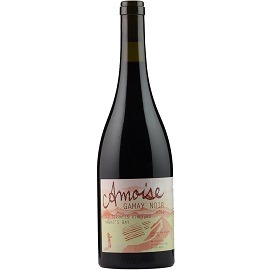
If ever there was a red wine made for summer, this is it! Te Mata Estate has been championing Gamay Noir in New Zealand since 1995, long before lighter, chillable reds became fashionable. The grape behind the deliciously juicy reds of France's Beaujolais region, Gamay is all about vibrant fruit, freshness and sheer drinkability.
Te Mata's version has developed something of a cult following over the years, and the brand new 2026 release is another beauty. At just $25.99, this is a wonderful alternative to Pinot Noir.
The secret to this wine's wonderfully exuberant character lies partly in its winemaking. 85% of the grapes undergo carbonic maceration, a technique famously used in Beaujolais that enhances those gorgeous fresh fruit and floral aromas. The remainder is traditionally fermented, with the wine spending seven weeks in seasoned French oak to add a little extra depth.
The result is a bright, fragrant red bursting with fresh cherry, raspberry, strawberry and violets, with hints of Turkish delight and exotic spice. Juicy, silky and light on its feet, with gentle tannins and refreshing acidity, this is pure drinking pleasure. Give it a light chill, pour generously and enjoy!
Winery notes (2026 Vintage)
"Brilliant ruby with a pink, rose-tea hue, Gamay Noir ‘26 has a translucent brightness that is deceptive in its delicacy. The wine immediately opens with a lifted, intense, red cherry, raspberry and strawberry core, edged with a violet perfume. Turkish delight and a faint thread of sandalwood and star anise drifts in and out of the ripe, sumptuous palate. Striking, vivid and immediate, the crunchy red fruit and cool, mouth-watering acidity is carried by a supple, silky frame with the lightest dusting of fine tannins. Immediately delicious, Gamay Noir ‘26 finishes long, fresh, and quietly irresistible leaving a trace of red berries, spice, and a lingering signature line of dry, clean, bright fruit.
The unique ‘maceration carbonique’ fermentation, which enhances the fruit and floral aromas of the wine, was used for 85% of the grapes. The other 15% received a traditional, warm, red wine fermentation. The resulting wines completed their malolactic fermentation and were matured for seven weeks in seasoned French oak barrels, before blending, fining and bottling."